
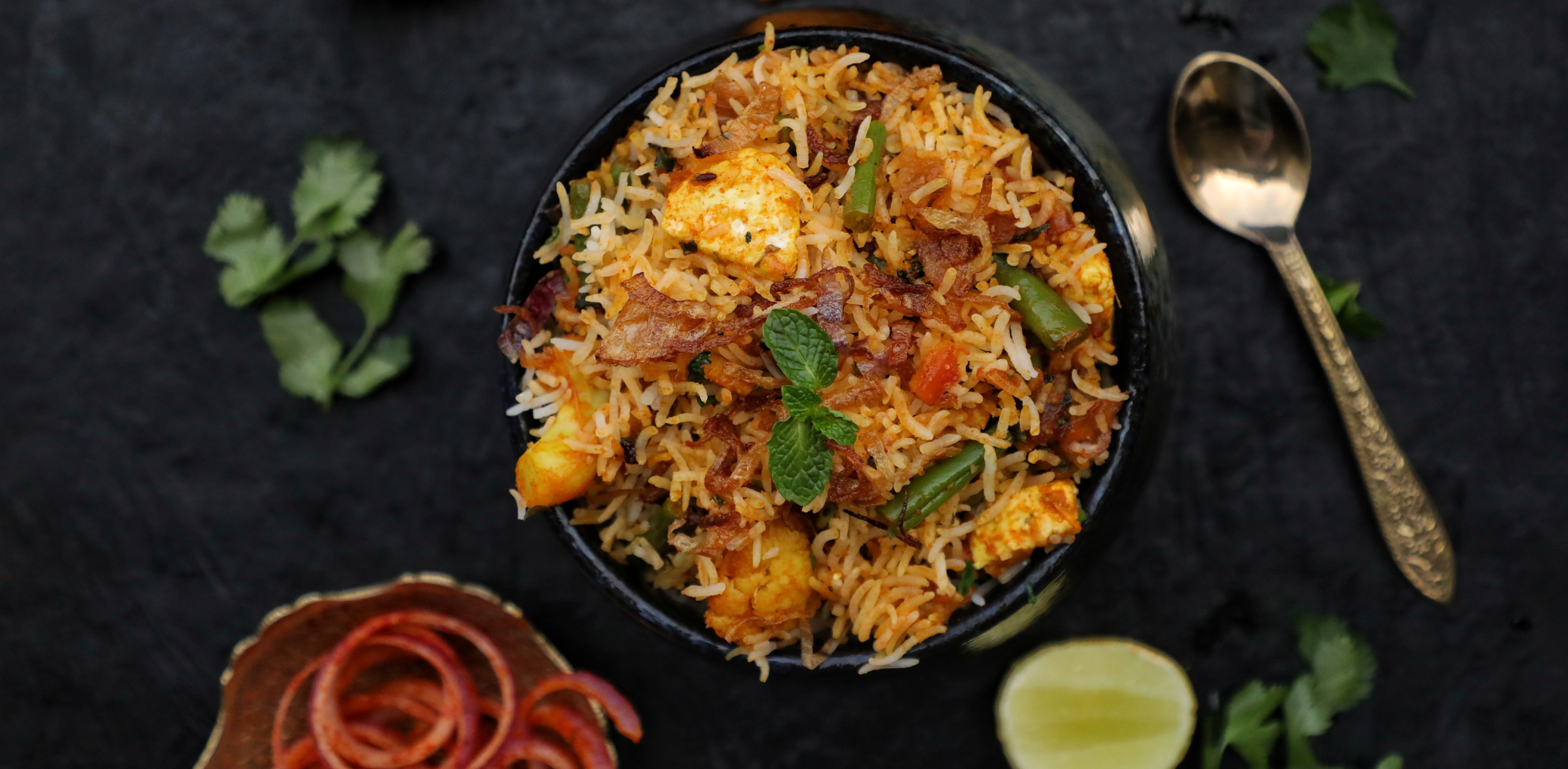
Few dishes represent the richness and diversity of Indian food quite like biryani.
Fragrant rice, aromatic spices, herbs, meat or vegetables, and traditional cooking techniques come together to create a dish that has become famous far beyond India.
But behind every steaming plate of biryani lies a fascinating story of migration, cultural exchange, royal kitchens, regional adaptation, and generations of culinary experimentation.
The history of biryani, however, is not as simple as saying that one person or one empire invented it.
Food historians connect some of its culinary ancestry and its name to Persian traditions, while many different cultures and local cooking practices influenced its development in the Indian subcontinent.
As the dish travelled across India, cooks adapted it to regional ingredients, tastes, rice varieties, spices, and techniques.
The result is not one Indian biryani, but a remarkable collection of regional biryani, each with its own identity and story.
What Is Biryani?
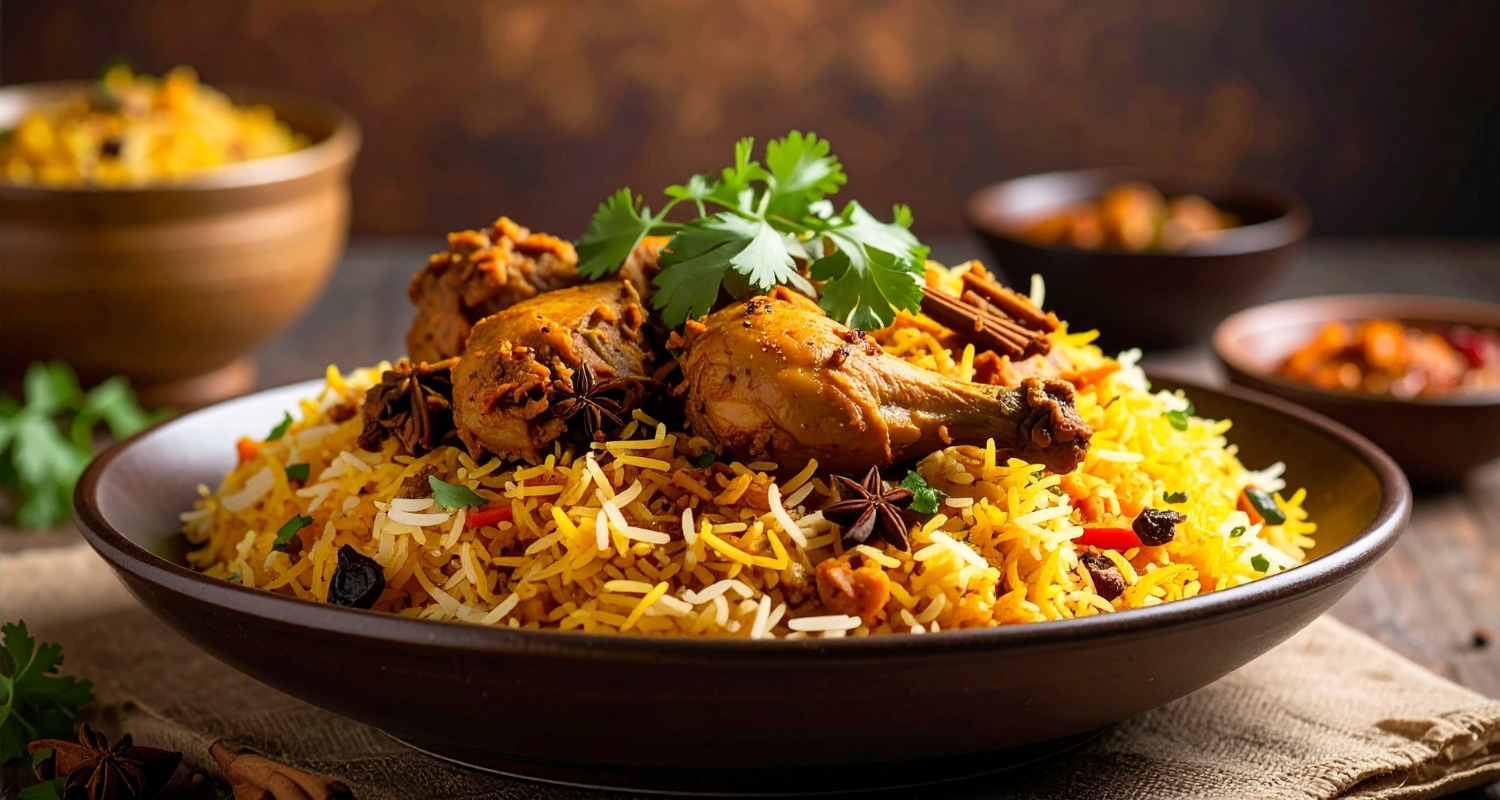
Biryani is an aromatic rice dish traditionally prepared by combining rice with meat, vegetables, eggs, spices, and herbs.
Depending on the regional style, the ingredients and cooking technique can vary dramatically.
One of the defining characteristics of many biryanis is layering.
Rice and other ingredients are arranged in layers and cooked together so that the flavours and aromas develop throughout the dish.
The cooking process known as dum is particularly important in several famous Indian styles.
The pot is sealed, allowing the ingredients to cook slowly in their own steam.
The result is fragrant rice infused with spices, meat or vegetables, and aromatic ingredients such as saffron, mint, cardamom, cloves and kewra.
But there is no single recipe called “Indian biryani.”
There are dozens of regional interpretations.
Where Did Biryani Come From?
This is where the story becomes fascinating.
There is no universally accepted single inventor or birthplace of modern biryani.
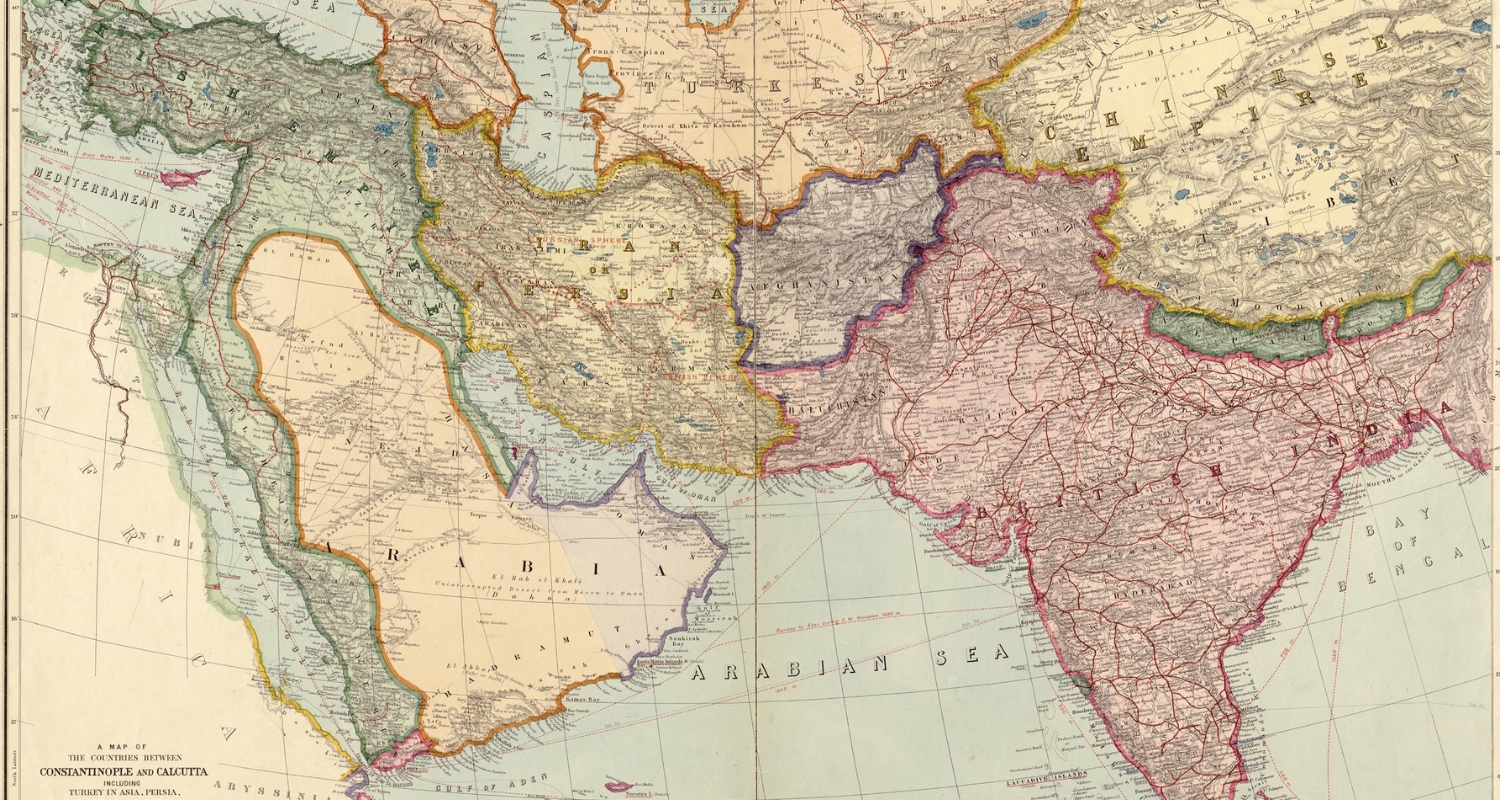
Many food historians trace the word and some of the dish’s culinary ancestry to Persia.
The Persian expression birinj biryani is commonly associated with rice and cooking or roasting, and Persian rice dishes travelled widely across Central and South Asia.
Over time, these culinary traditions interacted with local Indian ingredients, techniques and tastes.
The result was not simply a foreign dish copied in India.
Instead, the dish evolved.
Indian cooks introduced regional spices, cooking methods, meats, vegetables and ingredients, creating entirely different forms of biryani.
That is why Hyderabad’s biryani can taste completely different from Kolkata’s, while both are still recognisably biryani.
Did the Mughals Invent Biryani?
The popular answer is often “yes.”
The historical answer is more cautious.
The Mughal period played a major role in the development and spread of Persian-influenced cuisine across the Indian subcontinent. Rice-and-meat dishes became associated with royal and elite cooking traditions.
However, historians and food writers do not agree that one Mughal emperor invented modern biryani.
There are several competing origin theories, including connections to Persian culinary traditions, Central Asian influences, Arab traders, and existing South Asian rice-and-meat dishes.
This distinction matters.
Biryani is better understood as a product of culinary evolution than as the invention of one person.
The Famous Mumtaz Mahal Story

One of the most popular stories connects Biryani with Mumtaz Mahal, the wife of Mughal emperor Shah Jahan.
According to the legend, Mumtaz visited soldiers and felt that they were not being adequately nourished. She supposedly asked the royal cooks to prepare a nutritious meal containing rice, meat, and spices.
The story eventually became associated with the origins of biryani.
It is a wonderful story but it should be treated as a legend rather than established historical fact.
There is not enough reliable historical evidence to confidently say that Mumtaz Mahal invented biryani.
This is one of the most common myths surrounding the dish.
How Biryani Became Indian
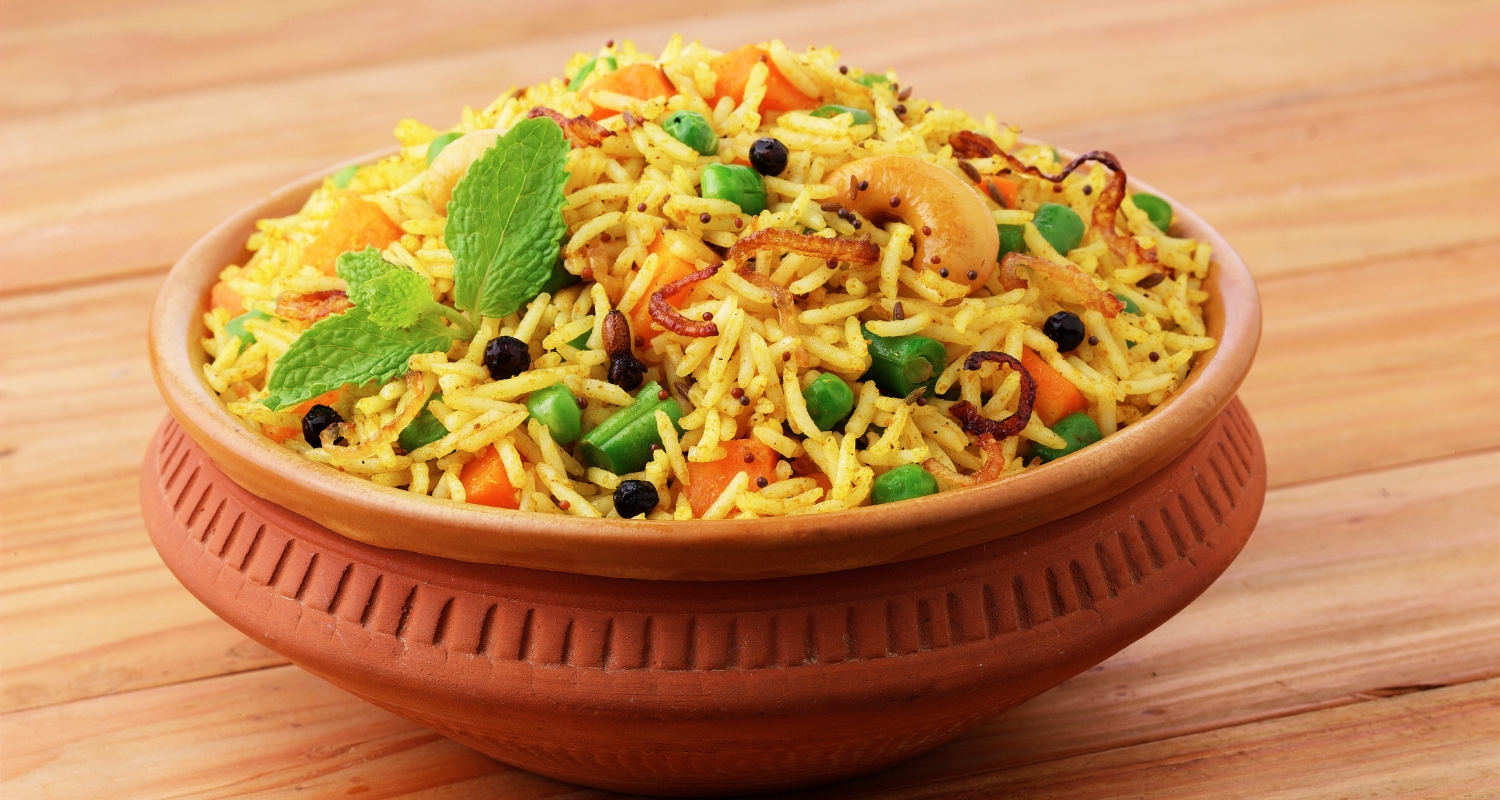
India’s enormous geographical and cultural diversity transformed biryani.
As the dish travelled, local cooks adapted it to whatever ingredients and cooking traditions were available.
Rice varieties changed.
Spices changed.
Meat choices changed.
Cooking methods changed.
Even the balance between rice and meat changed.
Over centuries, this produced distinct regional styles.
This is one reason it is more accurate to talk about Indian biryanis rather than a single birinj biryanibirinj biryani
The Most Famous Regional Biryanis in India
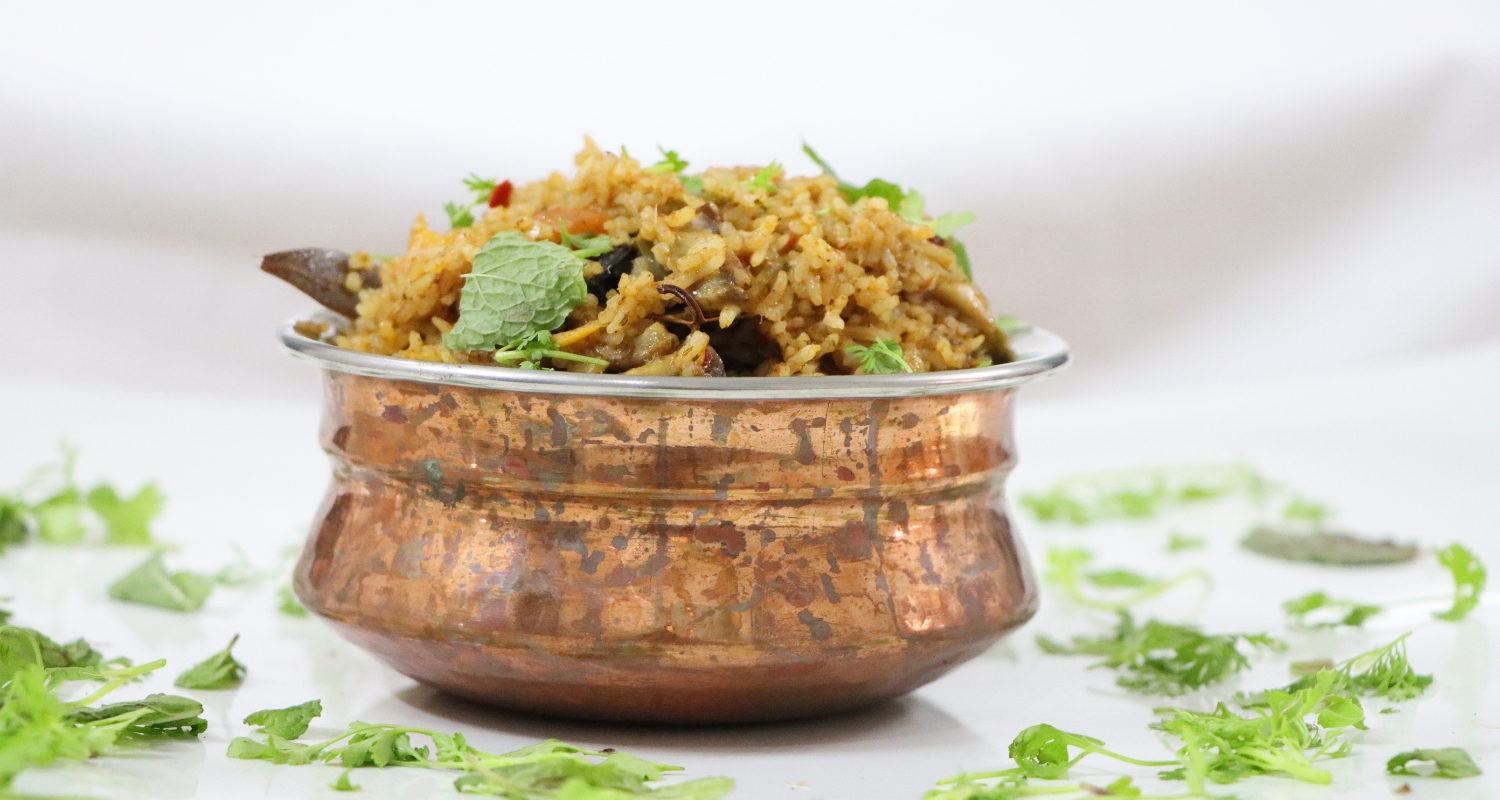
1. Hyderabadi Biryani
If there is one city that has become almost synonymous with biryani, it is Hyderabad.
Hyderabadi biryani developed through the interaction of Mughal culinary influences with the food traditions of the Deccan and the kitchens associated with Hyderabad’s Nizams.
It is generally known for bold spices, herbs, and aromatic rice.
One famous technique is kachchi biryani, in which marinated raw meat is layered with partially cooked rice and then cooked together using the dum method.
This creates a distinctive combination of tender meat and intensely flavoured rice.
Hyderabadi biryani is now one of India’s most internationally recognised regional biryani.
2. Lucknowi or Awadhi Biryani
Lucknow’s culinary tradition is famous for its refined and comparatively delicate approach to spices.
Awadhi cooking developed under the Nawabs of Awadh, and its food culture became known for sophisticated techniques and aromatic flavours.
Lucknowi biryani is generally more subtle than the fiery versions many people associate with Hyderabad.
The focus is often on the fragrance of the rice, meat, and whole spices rather than overwhelming heat.
3. Kolkata Biryani
Kolkata biryani has one of the most fascinating stories in India’s culinary history.
Its development is strongly associated with Nawab Wajid Ali Shah, the last Nawab of Awadh.
After being deposed by the British in 1856, Wajid Ali Shah was exiled to Calcutta, now Kolkata. His culinary traditions travelled with him, including his cooks.
Over time, the Awadhi style evolved in Bengal.
And then came the ingredient that makes Kolkata biryani instantly recognisable:
potato.
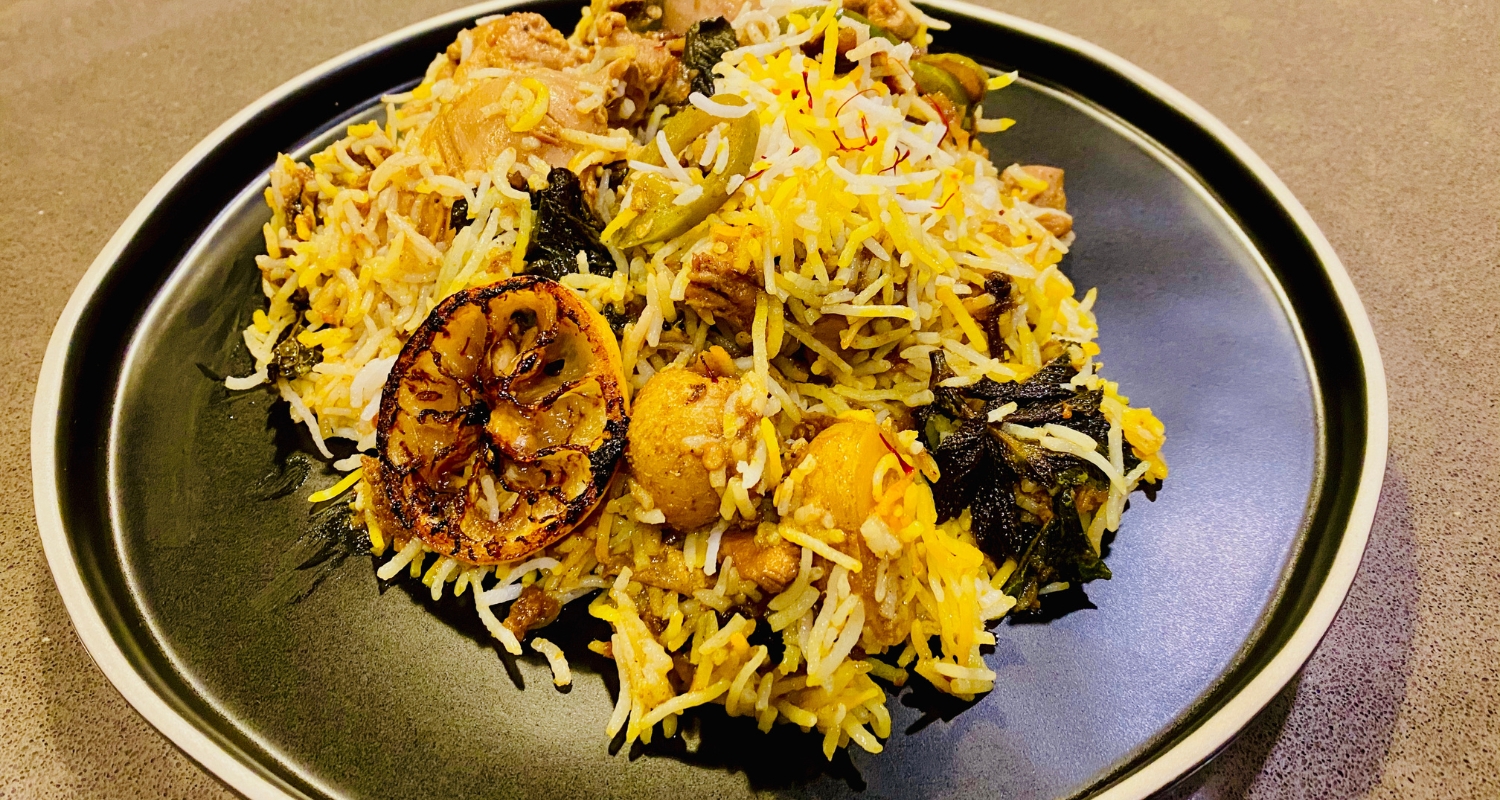
Large pieces of potato became a signature feature of Kolkata biryani. Some accounts connect this to the need to make the dish more economical, while other historical explanations suggest that potatoes were valued as an ingredient in their own right.
Today, asking for Kolkata biryani without potato can almost feel like asking for a completely different dish.
4. Malabar Biryani
On India’s southwestern coast, biryani developed along a very different culinary path.
Malabar biryani is associated with Kerala’s Malabar region and reflects the area’s extensive trading history and interaction with Arab communities.
Unlike many North Indian biryanis that rely heavily on long-grain basmati rice, Malabar versions commonly use shorter-grain aromatic rice varieties such as kaima or jeerakasala.
The result is a biryani with a distinctly different texture and aroma.
5. Thalassery Biryani
Thalassery biryani is another famous Kerala variation.
Its distinctive character comes from the use of local rice, spices, and regional cooking traditions.
The dish demonstrates something important about Indian food:
The same culinary idea can become completely different when it enters a new region.
Why Is Biryani Cooked on Dum?
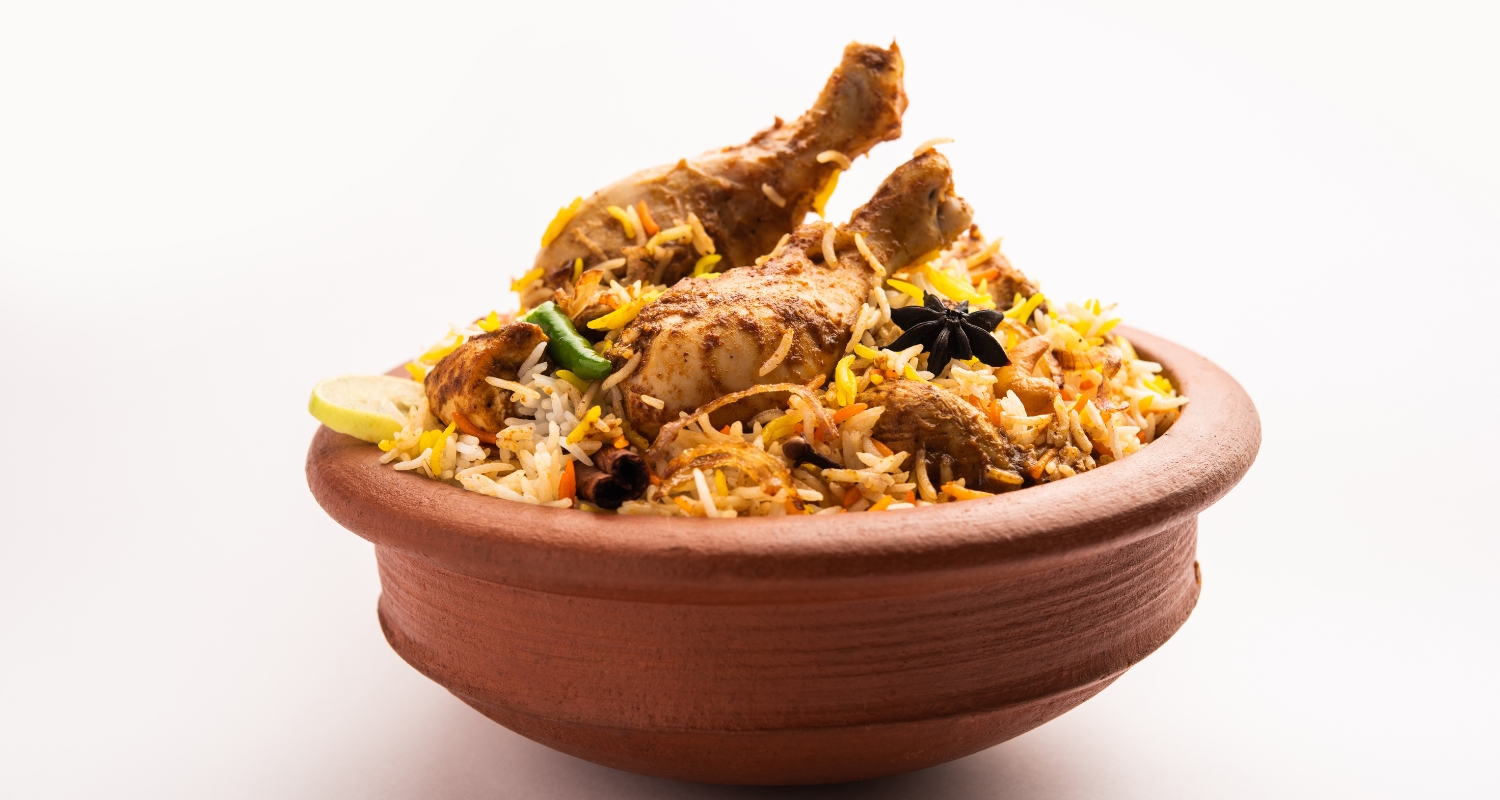
One of the most important techniques associated with biryani is dum cooking.
The cooking pot is traditionally sealed, often with dough, so that steam remains trapped inside.
This creates a controlled cooking environment.
The rice absorbs aromas from the spices, herbs and other ingredients while the meat gradually becomes tender.
Dum cooking is not simply about making food “slow.”
It is about controlling moisture, heat and aroma.
The sealed environment allows flavours to develop without simply escaping into the air.
That is one reason opening a perfectly sealed biryani pot can release an extraordinary burst of aroma.
What Makes Biryani Taste So Special?
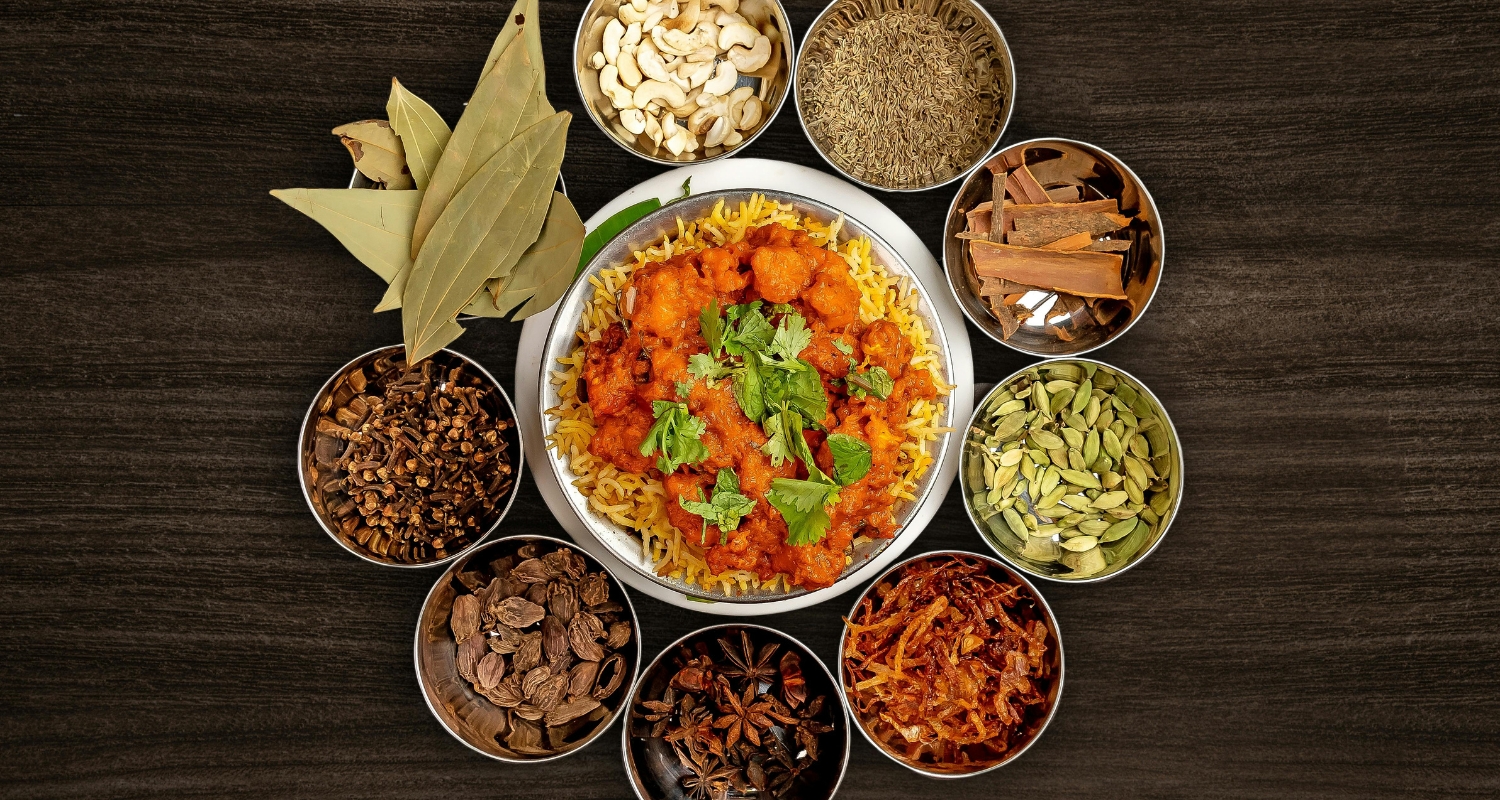
Biryani’s flavour does not come from one magical spice.
It comes from layering flavours.
Depending on the recipe, you may find:
- Basmati or regional aromatic rice
- Chicken or mutton
- Potatoes
- Onions
- Garlic
- Ginger
- Green chillies
- Mint
- Coriander
- Cardamom
- Cinnamon
- Cloves
- Bay leaf
- Star anise
- Black pepper
- Cumin
- Saffron
- Rose water
- Kewra water
- Yogurt
- Ghee
The combination varies enormously from one region to another.
Indian cuisine itself is highly diverse, and research into Indian recipes has shown that spices play a major role in determining how ingredients are combined and how regional cuisines develop.
Biryani Is Not the Same as Pulao
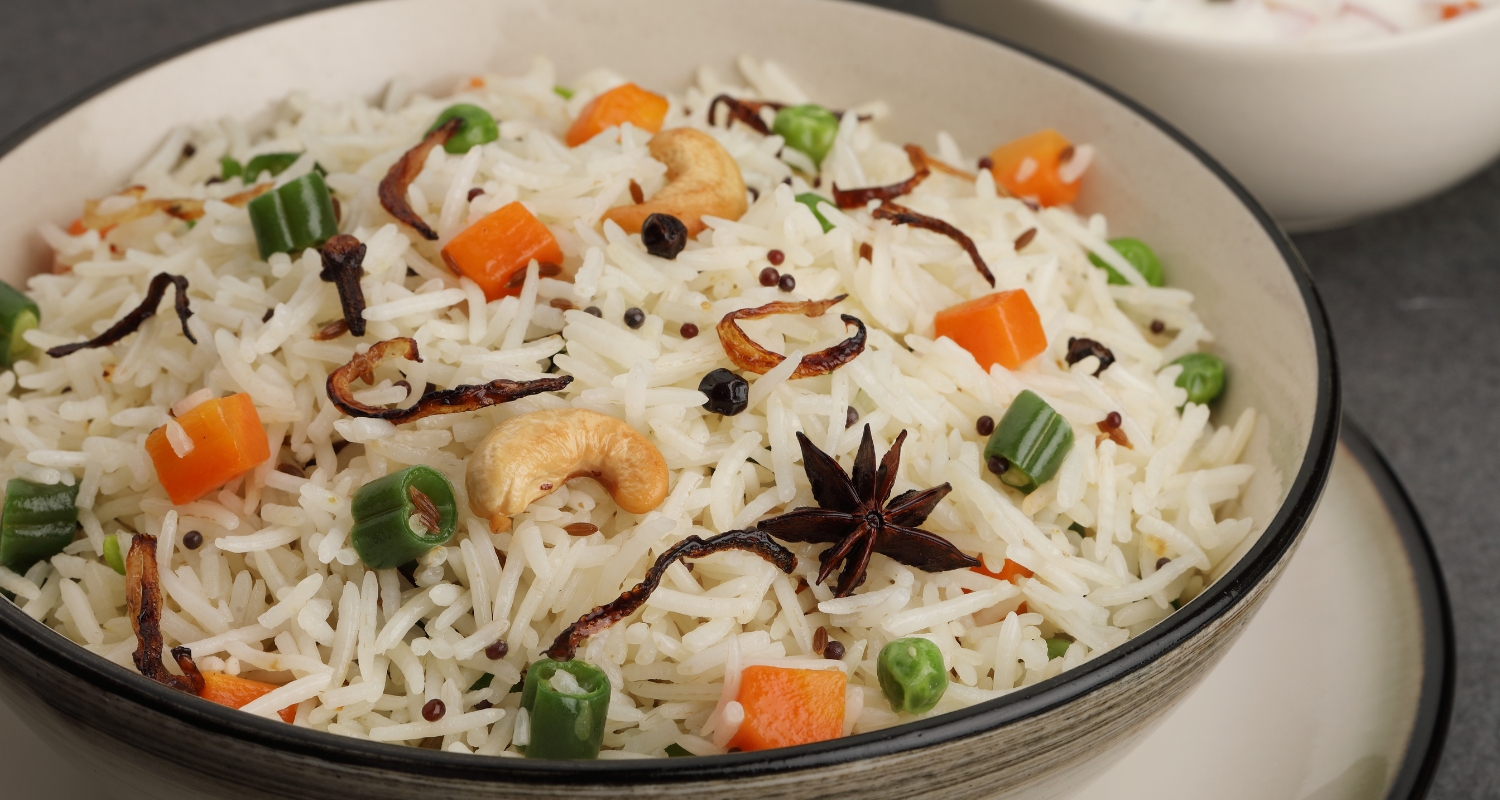
People sometimes use the words biryani and pulao interchangeably.
They are related, but they are not necessarily the same preparation.
In broad culinary terms, pulao generally involves cooking rice together with other ingredients in a relatively integrated preparation.
Many biryanis, on the other hand, emphasise marination, layering and techniques such as dum cooking.
However, historical food traditions are rarely perfectly separated.
The boundaries between pulao, pilaf and biryani have shifted across regions and periods.
So claiming that there is one universally correct definition would oversimplify the history.
Why Does Biryani Have So Many Versions?
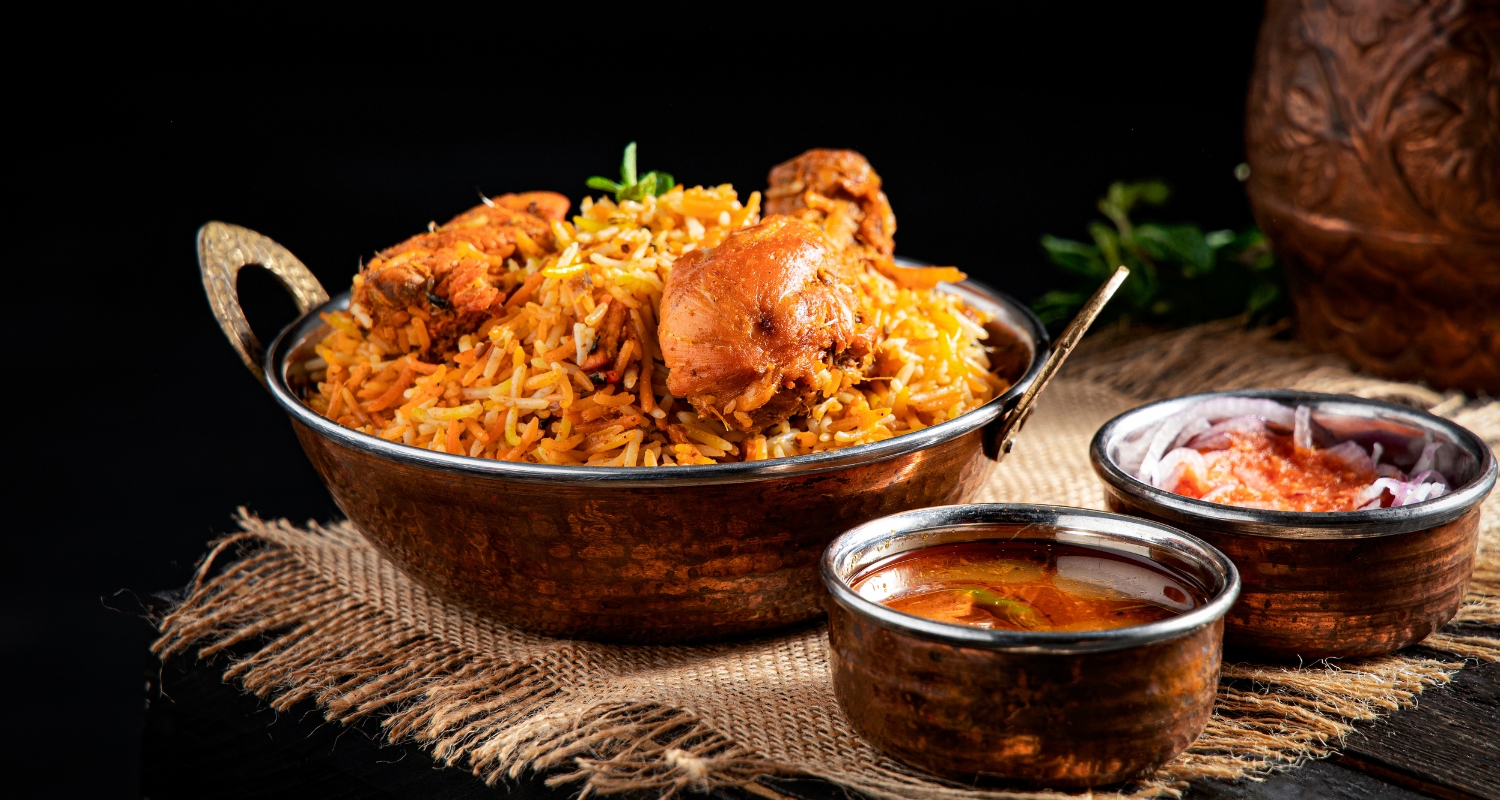
India is not one culinary culture.
It contains thousands of regional food traditions shaped by:
Geography + climate + religion + trade + agriculture + migration + royal kitchens + local ingredients
When biryani travelled, it encountered new ingredients.
In Hyderabad, it developed a Deccani identity.
In Lucknow, it became associated with Awadhi culinary traditions.
In Kolkata, it acquired its famous potato.
In Kerala, local rice and coastal culinary influences transformed it again.
This is culinary adaptation in action.
And it is precisely why biryani has survived and flourished.
Is Vegetarian Biryani Really Biryani?
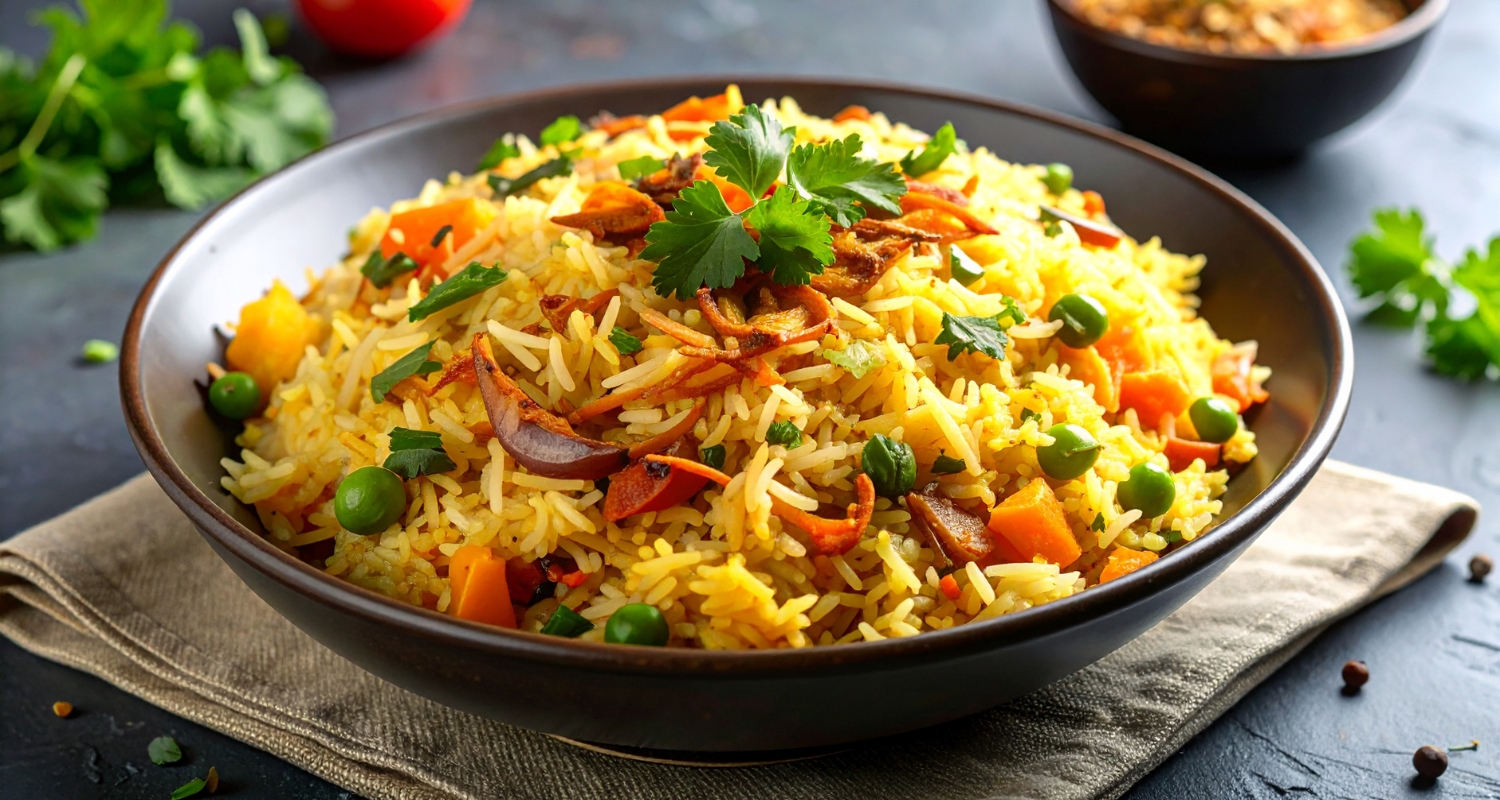
This debate can start an argument at almost any Indian dinner table.
Some people insist that biryani must contain meat.
Others happily order vegetable, paneer, mushroom, or other vegetarian versions.
Historically and culturally, there is no single authority capable of ending the argument for everyone.
Indian cooking has repeatedly adapted dishes to local dietary practices and available ingredients.
So whether you personally call a vegetarian preparation “biryani” or “vegetable pulao” often depends on culinary tradition and terminology.
In other words:
The food world is more complicated than internet food debates suggest.
Biryani and Indian Culture
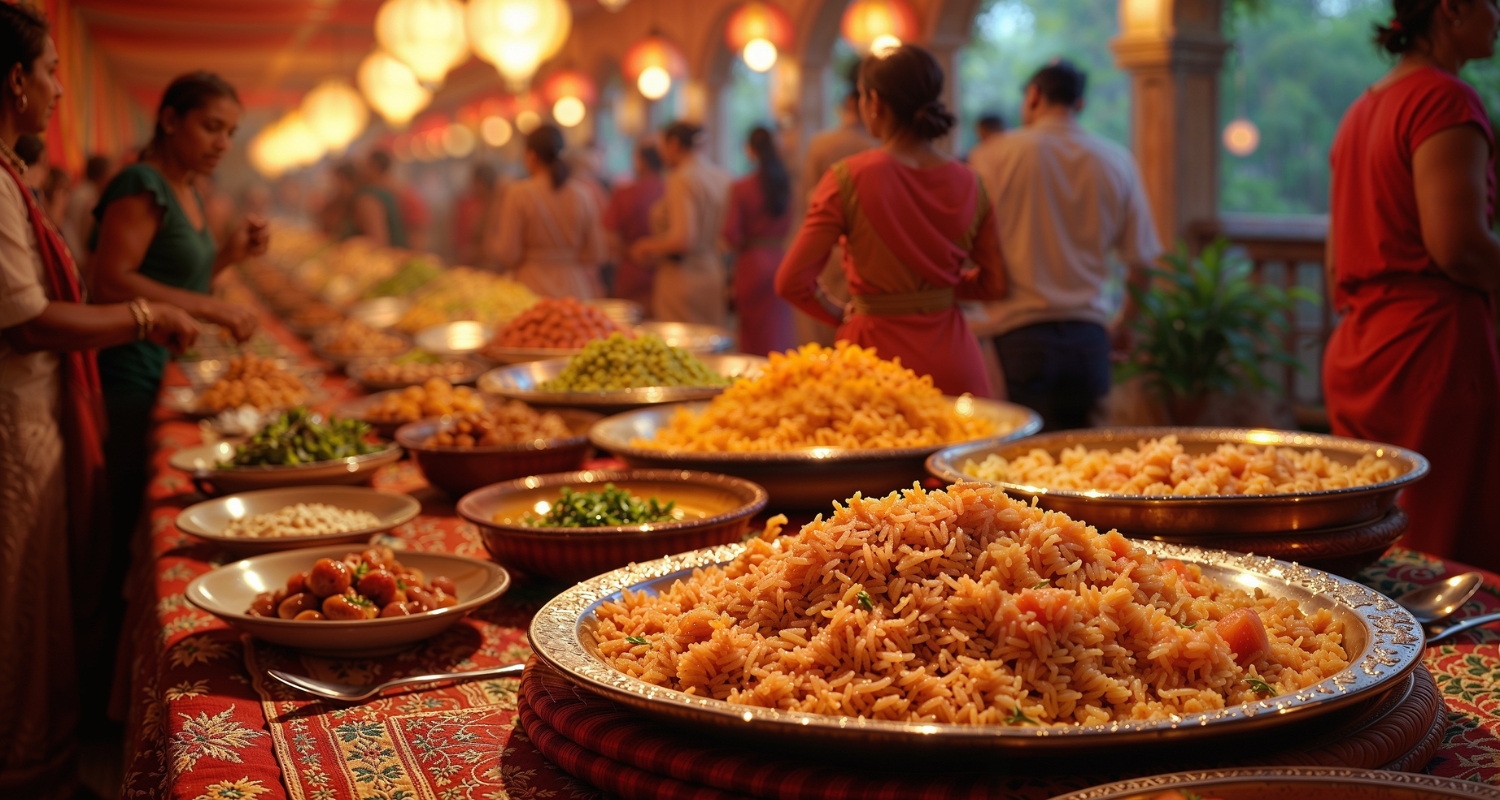
Biryani has become much more than a historical dish.
It is now associated with:
- Weddings
- Festivals
- Family gatherings
- Restaurants
- Street food
- Celebrations
- Weekend meals
- Food delivery
- Regional identity
A biryani recipe can also carry family history.
One family might use a particular spice blend.
Another might insist on a specific rice.
Someone else might cook only mutton biryani.
Someone else’s recipe may require potatoes.
These differences are not flaws.
They are part of the dish’s cultural identity.
How Biryani Became a Global Food
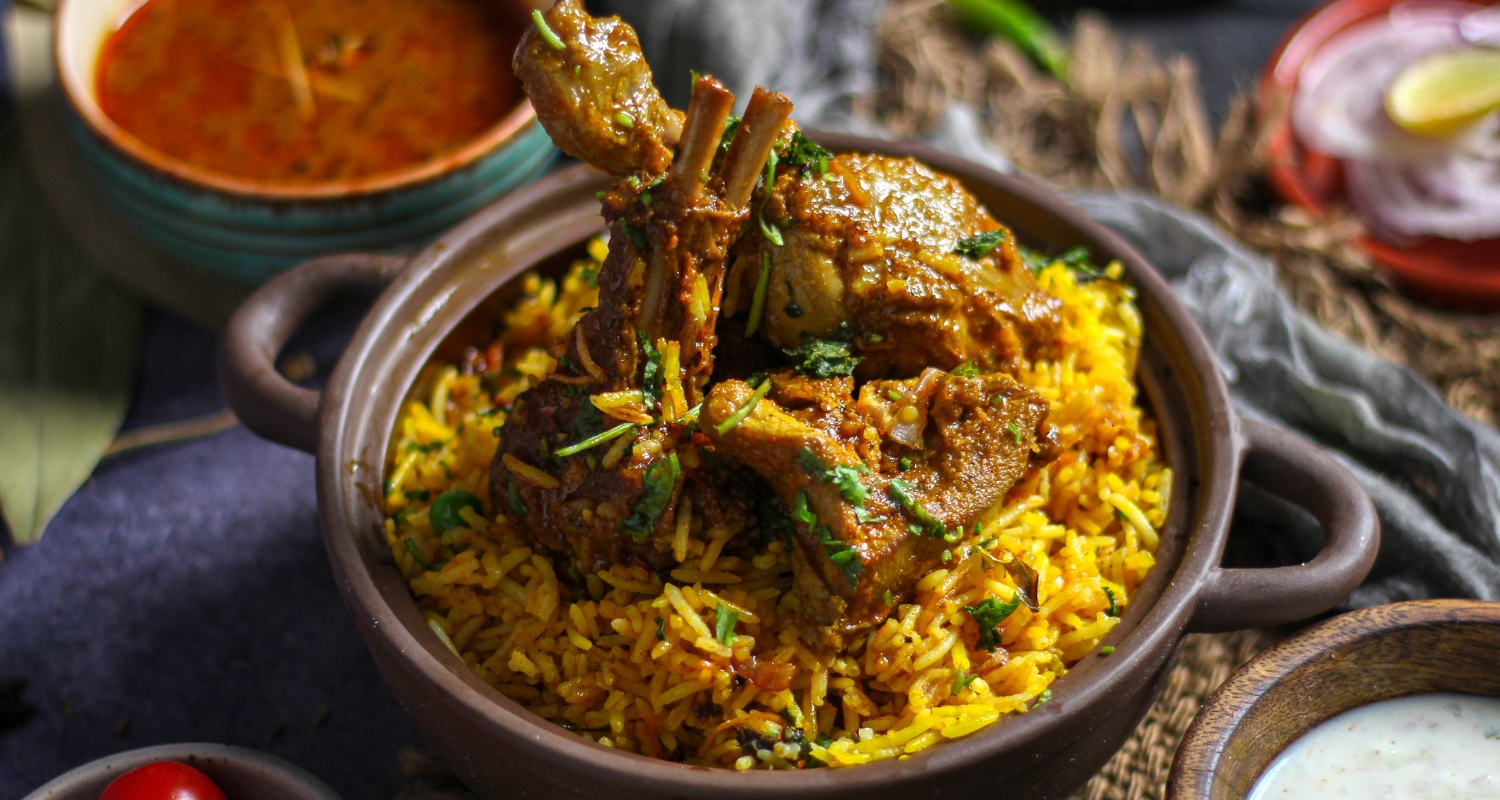
Today, biryani is not limited to India.
It is popular across South Asia and can be found in countries with large South Asian communities around the world.
Restaurants in the United Kingdom, United States, Canada, the Middle East, Southeast Asia, and elsewhere serve different versions of the dish.
Biryani has effectively become part of the global South Asian food vocabulary.
And its international popularity has created another interesting phenomenon:
People increasingly associate different versions of biryani with different Indian cities and communities.
Hyderabad has its biryani.
Kolkata has its biryani.
Lucknow has its biryani.
Kerala has its biryani.
That regional identity has become part of the dish’s appeal.
Interesting Facts About Biryani
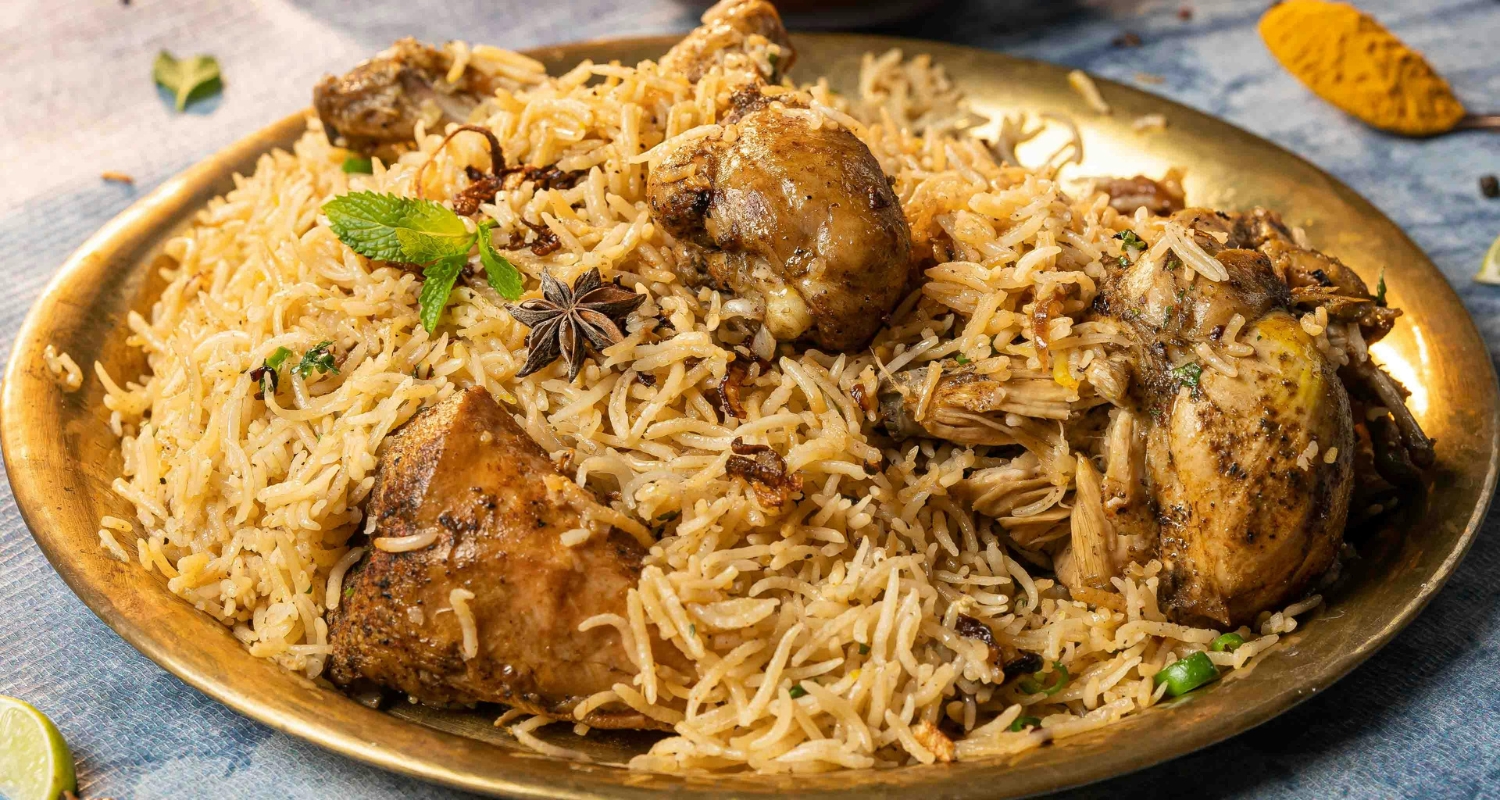
1. There is no single universally accepted origin story
Its history involves multiple culinary traditions and centuries of evolution.
2. The name has Persian connections
The term is commonly linked to the Persian expression birinj biryani.
3. Kolkata’s potato is famous
The potato became one of the defining features of Kolkata-style biryani.
4. Hyderabad has multiple biryani techniques
Hyderabadi cooking includes both raw-meat and cooked-meat approaches, with kachchi and pakki preparations being commonly discussed.
5. Biryani is incredibly regional
India has numerous regional varieties, each with its own ingredients, rice, spices, and cooking techniques.
6. The Mumtaz Mahal story is probably a legend
It is widely repeated but should not be presented as proven history.
7. Biryani is still evolving
Modern restaurants continue to create new versions, including seafood, vegetarian, egg, paneer and fusion biryanis.
The Real Story of Biryani
Perhaps the most interesting thing about biryani is that there may never be one final answer to the question:
“Who invented biryani?”
And perhaps that is exactly what makes it special.
Biryani was not necessarily created in one kitchen on one particular day by one famous chef.
Instead, its story resembles the history of India itself.
Ideas travelled.
People migrated.
Empires rose and disappeared.
Traders crossed seas.
Cooks moved between royal kitchens.
Local ingredients changed recipes.
Regional communities adapted food to their own tastes.
And over generations, these influences produced the biryanis we know today.
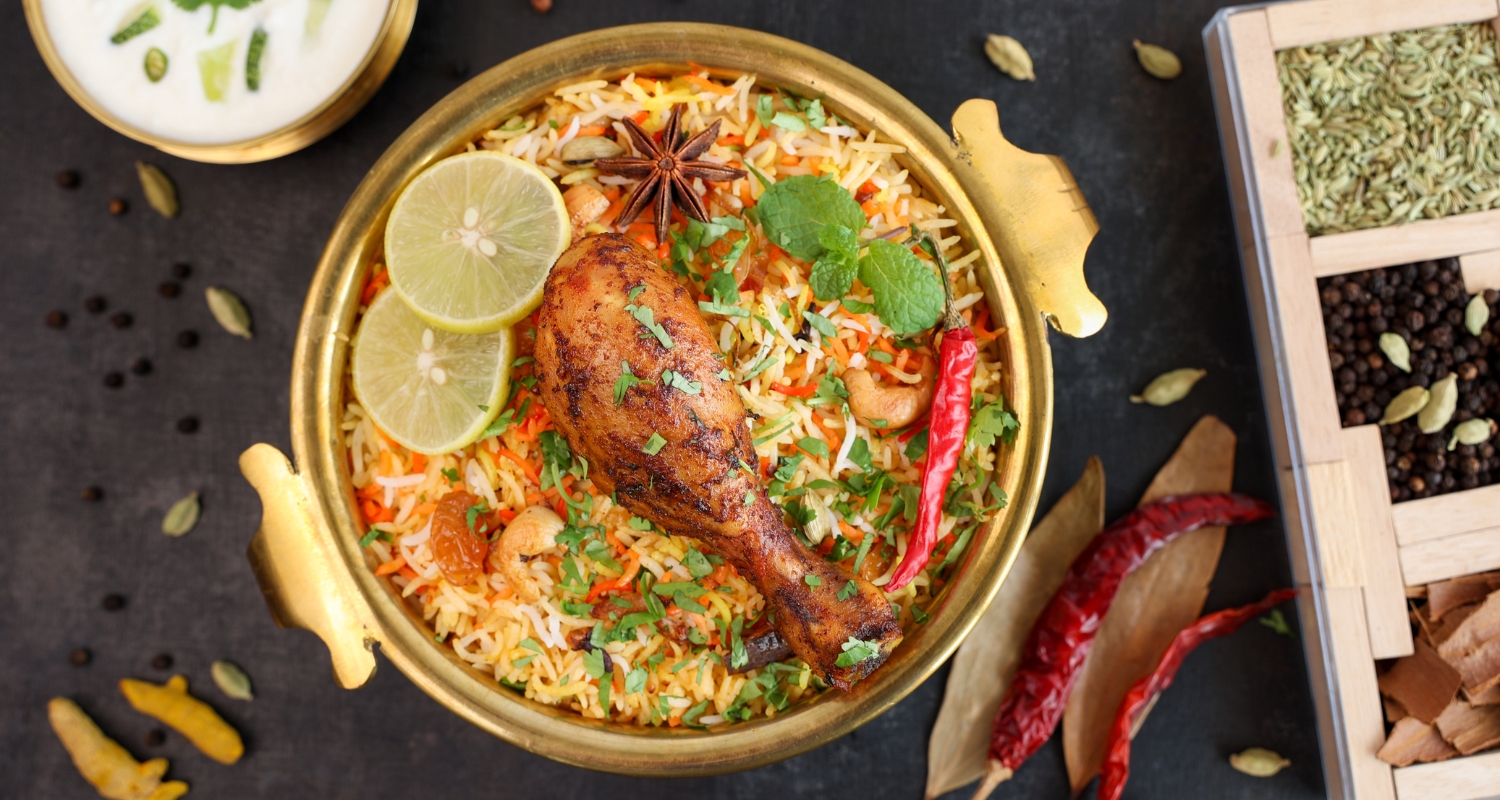
So the next time you open a steaming biryani pot, you are not simply looking at rice, meat and spices.
You are looking at centuries of culinary exchange on a plate.
Conclusion
The story of biryani is ultimately much bigger than the question of who invented it.
There is no universally accepted single inventor or birthplace of modern biryani, and popular stories such as the connection with Mumtaz Mahal should be understood as legends rather than established historical facts.
What we can see more clearly is how the dish evolved through centuries of cultural exchange, migration, trade, royal influence, and local culinary creativity.
Persian and Central Asian influences interacted with existing South Asian food traditions, while regional cooks transformed the dish according to their own ingredients and preferences.
Hyderabad developed its bold and aromatic style, Lucknow became associated with refined Awadhi flavours, Kolkata created a distinctive version featuring its famous potato, and Kerala developed biryanis using local rice varieties and coastal influences.
These differences show that biryani is not a fixed recipe but a constantly evolving culinary tradition.
Its importance today goes beyond food. Biryani appears at weddings, festivals, family gatherings, restaurants, celebrations, and everyday meals.
It has also travelled across the world, becoming an important part of the global South Asian food culture.
Perhaps that is the real beauty of biryani: its history mirrors the complexity of India itself. People travelled, cultures met, ingredients changed, and recipes evolved. Every regional version carries traces of that journey.
So when you open a steaming biryani pot, you are not simply looking at rice, meat, vegetables, and spices you are experiencing centuries of culinary exchange, adaptation, and tradition on a single plate.